Let’s be real. We spend our lives chasing the next audition, the next callback, the next gig. We pour every ounce of energy into perfecting our craft, hitting that high note, or nailing that monologue. And that’s how it should be. We are passionate, driven creatives.
But there’s a massive paradox in our industry: To be your best on stage, you have to prioritize your life off stage.
It’s easy to get caught up in the hustle and forget that you are not just a performer; you are a human being. And no matter what your career goals are—whether it’s Broadway, film and TV, a national tour, or releasing your own album—taking care of your physical, emotional, and mental health isn’t a luxury. It’s a non-negotiable requirement for long-term success.
Your instrument isn’t just your voice or your body; it’s you in your entirety. If you burn out, get injured, or lose your spark, the talent doesn’t matter. So, let’s redefine what it means to be a “dedicated” performer. It’s time to build a foundation of self-care that supports your art, not one that sacrifices your well-being for it.
Here’s a breakdown of what self-care looks like for us.
- The Physical Foundation: Your Body is Your Temple (and Your Business)
We know this one. We’ve heard it a million times. But are we living it?
- Fuel with Intention: What you eat directly impacts your energy levels, your voice, and your stamina. It’s not about restrictive diets; it’s about nourishing your body with what it needs to perform. Find a nutrition plan that works for your body and your schedule.
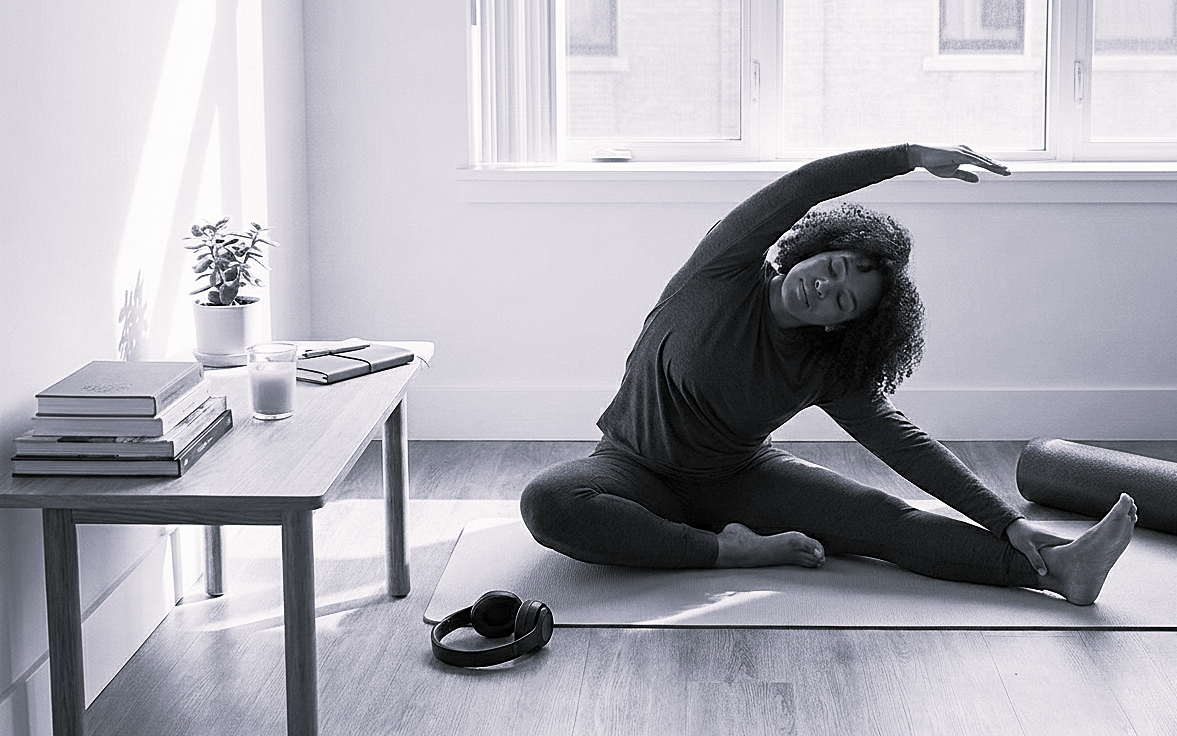
- Move with Purpose: Exercise isn’t just about looking good for a headshot. It’s about building the strength, flexibility, and endurance required for an eight-show week or a grueling tour. Find a workout routine—whether it’s yoga, dance, strength training, or running—that you genuinely enjoy and that supports your physical demands without causing injury.
- Rest and Recover: This is the hardest one for many of us. Sleep is where your body repairs itself, your voice heals, and your brain processes information. Prioritizing sleep isn’t lazy; it’s professional. Listen to your body and give it the rest it’s screaming for.
- The Emotional Core: Nurturing Your Inner Artist
The emotional toll of this industry is no joke. The constant rejection, the uncertainty, the pressure to be “on” all the time—it can wear you down.
- Cultivate a Support System: Surround yourself with people who get it. Other performers who can commiserate and celebrate with you, but also friends and family outside the industry who can ground you and remind you that you’re more than your last audition.
- Feel Your Feelings: It’s okay to be disappointed, frustrated, or anxious. Don’t bottle it up. Journal, talk to a therapist, or vent to a trusted friend. Acknowledging your emotions is the first step to managing them.
- Find Joy Outside of Performing: What makes you happy that has nothing to do with your career? Cooking? Hiking? Painting? Volunteering? Having hobbies outside of your craft makes you a more well-rounded person and a more interesting performer.
- The Mental Muscle: Sharpening Your Mind
Your mind is as much a part of your instrument as your voice or your body. You need to keep it sharp, resilient, and open to growth.
- Continuous Learning: Read books on craft, but also on psychology, history, business, and personal development. Listen to podcasts, watch documentaries, take classes that have nothing to do with performing. The more you know about the world, the more depth you can bring to your work.
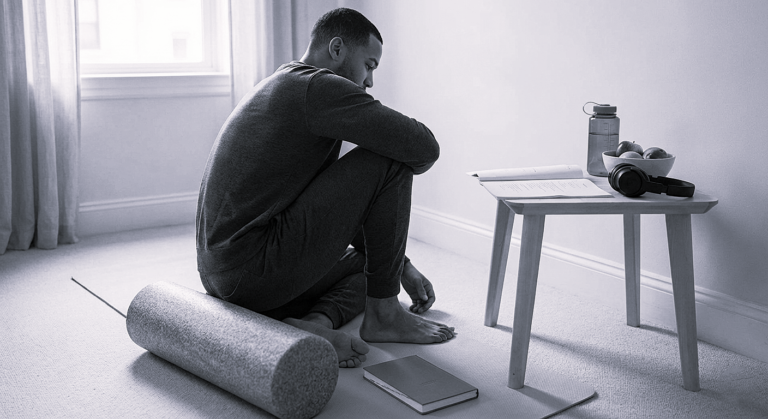
- Practice Mindfulness: Meditation, deep breathing, or simply taking a few minutes each day to sit in silence can do wonders for your mental clarity and focus. It helps you stay present, manage stress, and quiet that inner critic.
- Set Boundaries: Learn to say “no.” You don’t have to do every unpaid workshop, every favor, or every social event. Protect your time and your energy. It’s okay to put yourself first.
The “Little Things” Are the Big Things
Self-care isn’t always about grand gestures or expensive retreats. It’s in the daily choices. This is a marathon, not a sprint. By treating yourself with the same care and dedication you give to your craft, you’re not just building a sustainable career; you’re building a sustainable life. And trust me, the happiest, healthiest performers are almost always the most successful ones.
Now, go take care of yourself. You deserve it, and your art depends on it.